Whose egg is used in surrogacy?
Whose egg is used in surrogacy depends on a number of factors. It could be the surrogate’s egg (though this is very rare today), the intended mothers, or donors. Let’s explore!

Whose egg is used in surrogacy depends on a number of factors. It could be the surrogate’s egg (though this is very rare today), the intended mothers, or donors. Let’s explore!
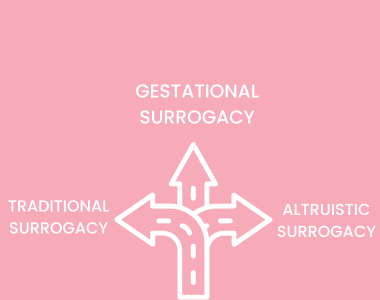
When growing one’s family through surrogacy, one of the first and most important decisions the intended parents will have to make is what type of surrogacy to pursue. This article explores the two main types of surrogacy, gestational and traditional as well as a few subcategories.
Gestational surrogacy, traditional surrogacy, altruistic surrogacy. . . so many different types of surrogacy!!! Let’s explore them all.
Traditional surrogacy is the process when a woman carries and delivers a baby for another individual or couple AND is the biological mother of the child they carry. Due to serious ethical concerns, emotional trauma, legal challenges, and viable other options, traditional surrogacy is rarely practiced today. But is it right for you? Let’s explore
If you’re considering surrogacy to grow your family, you may wonder if your baby will look like the surrogate mother. It’s a fair question to ask, but interestingly, not so simple to answer. Let’s explore.
People often want to know if a surrogate mother (the woman carrying the pregnancy for the intended parent(s)) shares DNA with the baby they carry. It’s a common and valid question for both intended parents and gestational carriers, as issues surrounding DNA, genetics, and parenthood are very important for all parties in surrogacy.